Drawing a line graph
Table of Contents
Table of Contents
Are you struggling with drawing a line graph? Do you want to create informative visual representations of your data? In this blog post, we will guide you through the process of how do you draw a line graph.
The pain points of drawing a line graph
Creating a line graph can be a hassle if you don’t have the right tools and knowledge. You may encounter problems with choosing the right scale, plotting accurate data points, and presenting your findings in a cohesive and understandable way.
Answering the target of how do you draw a line graph
Drawing a line graph may sound like a daunting task, but it’s actually quite simple if you follow these steps:
- Collect your data and organize it in a table.
- Choose a graphing tool that suits your needs. Popular options include Excel, Google Sheets, and CanvasJS.
- Label your x and y-axis and choose the appropriate scale for each axis.
- Plot your data points and connect them with a line.
- Add a title and any necessary annotations to your graph.
- Proofread and edit your graph for any errors or inconsistencies.
Summary of how do you draw a line graph
In summary, drawing a line graph involves collecting data, choosing a graphing tool, labeling your axes, plotting your data points, and adding labels and annotations. By following these steps, you’ll be able to create clear and informative visual representations of your data.
The benefits of using line graphs
Line graphs are a popular and useful tool for visualizing data. They allow you to easily see trends and patterns, identify outliers, and make comparisons between different sets of data. Personally, I have used line graphs to track my progress on personal projects and visualize changes in my habits over time.
 The drawbacks of using line graphs
While line graphs have their benefits, they also have some limitations. For example, they are not suitable for showing data that is not continuous or showing changes over a long period of time. Additionally, if you have multiple lines on the same graph, it can be difficult to distinguish between them if they have similar colors or patterns. Despite these drawbacks, line graphs remain a popular and effective way to visualize data.
Factors to consider when creating a line graph
When creating a line graph, there are several factors to consider:
- Your audience: What kind of data would they find most relevant and informative?
- Your data: Is it continuous or discrete? What unit of measurement are you using?
- Your graphing tool: What features does it offer? How easy is it to use?
- Your design: What colors and font styles will you use? How will you annotate your graph?
Tips for creating effective line graphs
To create an effective line graph, keep these tips in mind:
- Choose a simple and easy-to-read design.
- Label your axes and provide appropriate units of measurement.
- Use colors and annotations sparingly and thoughtfully.
- Avoid clutter and unnecessary details.
Question and Answer section
What is the best tool for creating a line graph?
The best tool for creating a line graph depends on your specific needs and preferences. Popular options include Excel, Google Sheets, and various graphing libraries such as CanvasJS.
What is the difference between a line graph and a scatter plot?
A line graph is used to show trends or changes in data over time, while a scatter plot is used to show the relationship between two variables. In a scatter plot, data points are plotted as individual markers rather than being connected by a line.
How do you choose the appropriate scale for each axis?
To choose the appropriate scale for each axis, consider the range of your data and the minimum and maximum values you want to display. Choose a scale that allows you to show all the relevant data while also avoiding overcrowding or overwhelming the graph.
What is the best way to represent multiple lines on the same graph?
The best way to represent multiple lines on the same graph is to use different colors or patterns for each line. You can also use labels or annotations to help distinguish between the lines.
Conclusion of how do you draw a line graph
Drawing a line graph may seem intimidating, but with the right tools and knowledge, anyone can create clear and informative visual representations of their data. By following the steps outlined in this article and keeping the tips in mind, you can create effective and engaging line graphs that help you communicate your findings with ease.
Gallery
Addictionary

Photo Credit by: bing.com / excel graph line template microsoft chart spreadsheet blank multiple data templates easy tracking turn into downtime machine sharing locations good
Drawing A Line Graph | Canvas Cookbook

Photo Credit by: bing.com / graph
How To Draw A Line Graph? - Wiith Examples - Teachoo - Making Line Gra

Photo Credit by: bing.com /
How To Draw A Line Graph - YouTube
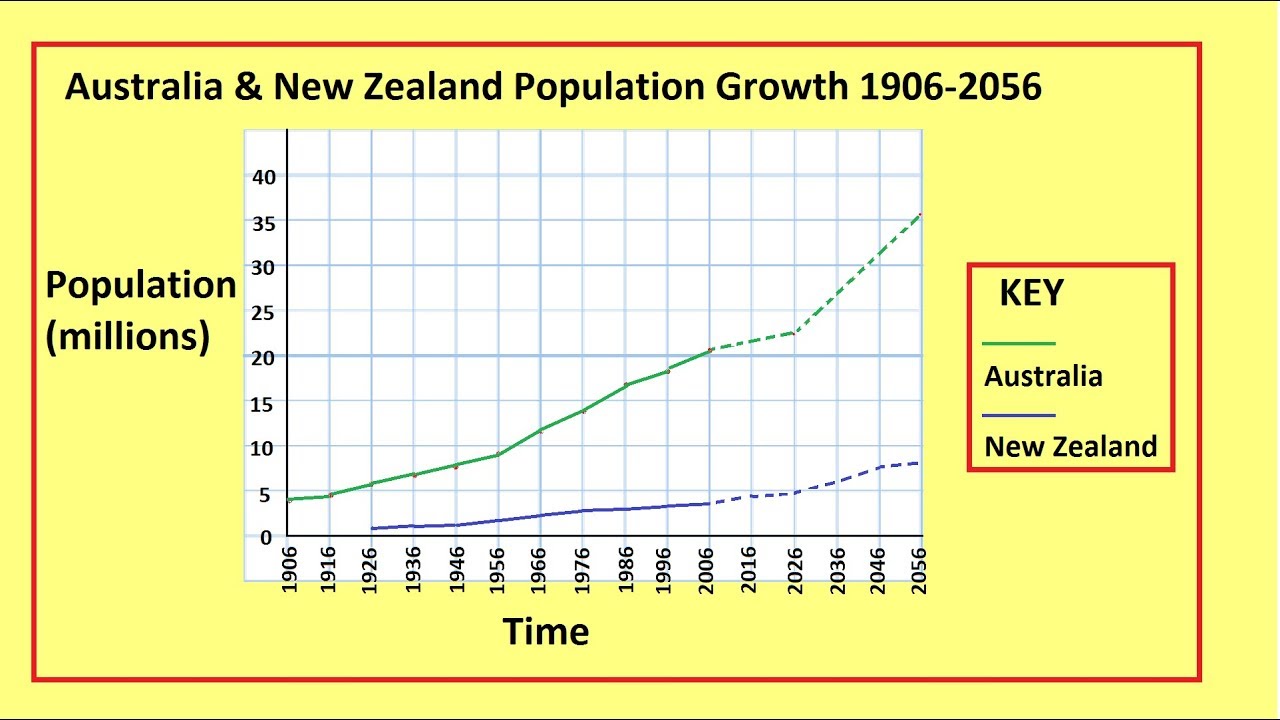
Photo Credit by: bing.com / graph line draw symmetry untitled
How To Draw A Line Graph? - Wiith Examples - Teachoo - Making Line Gra
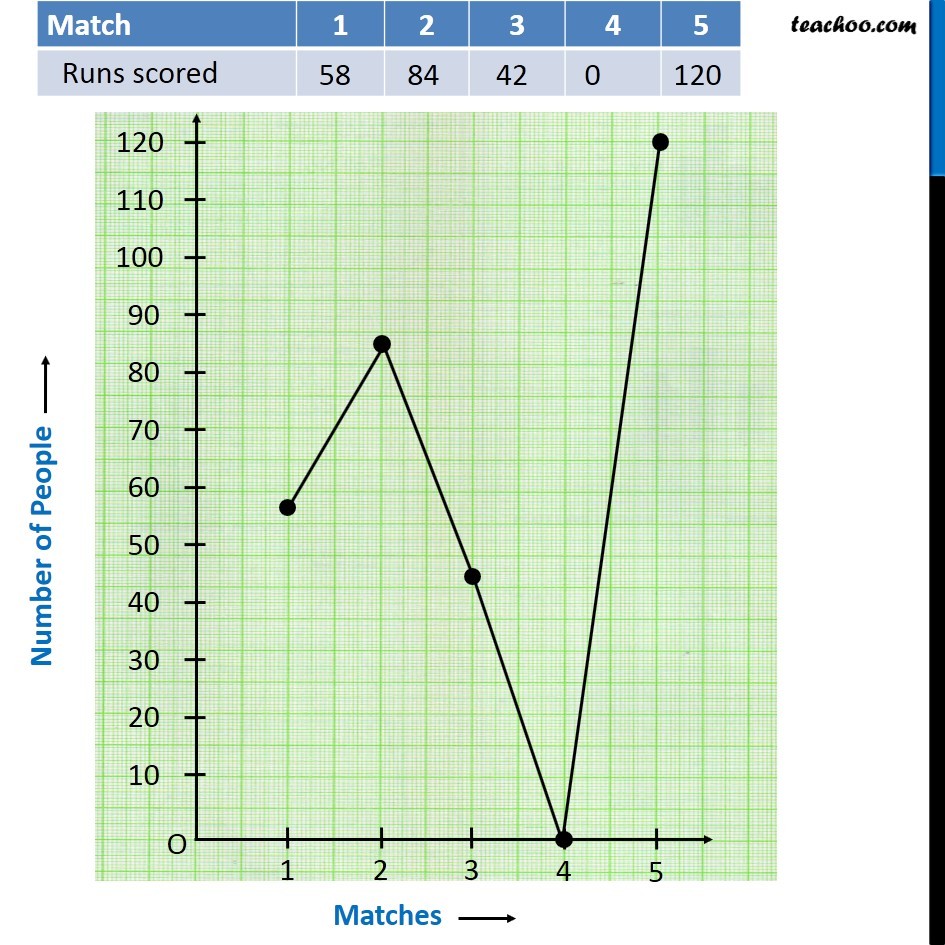
Photo Credit by: bing.com / graph line make making graphs draw examples class reading wise ex next introduction chapter concept