perspective figure drawing with basic shapes frozenrehab
Table of Contents
Table of Contents
Are you interested in learning how to do figure drawing basics? Whether you are a beginner or seeking to improve your skills, this post will provide you with practical tips and techniques to get started.
Pain Points
Many beginners struggle with figure drawing, as it can be challenging to capture the proportions and movements of the human body accurately. They may also feel overwhelmed trying to create a realistic and lifelike representation.
Answering the Target
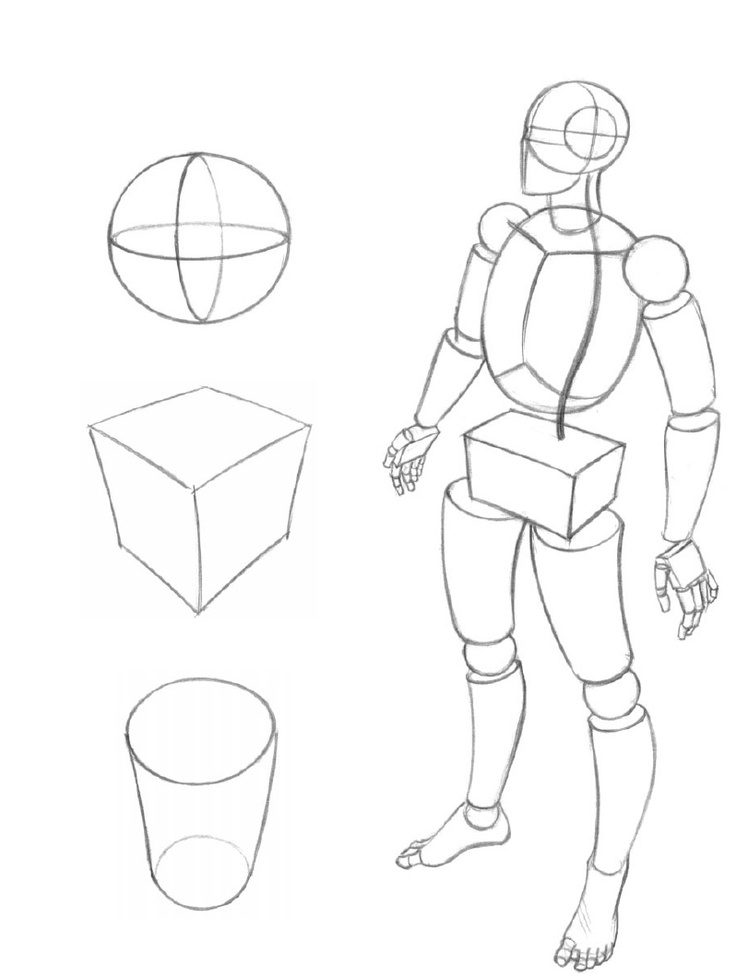
The key to mastering figure drawing basics is to start with the fundamentals. Before you begin to draw the human body, you must have a thorough understanding of basic shapes and forms, such as circles, ovals, and cubes. These shapes serve as the foundation for capturing the proportions and movements of the body accurately.
Summarizing the Main Points
In summary, to do figure drawing basics well, it is essential to develop a thorough understanding of basic shapes and forms. With this foundation, you will be able to capture the proportions and movements of the human body more accurately. Practice regularly, and don’t be discouraged by mistakes. With time and dedication, your skills will improve.
How to do Figure Drawing Basics: Tips and Techniques
When I first started figure drawing, I found it helpful to break down the human body into basic shapes. For example, the head can be represented by an oval, while the torso can be approximated with a rectangle. This technique made it easier to get the proportions right and capture the overall shape of the body.
 Another helpful tip is to pay close attention to the angles and lines of the body. These details can help you capture the movement and posture of your subject more effectively. You may also find it useful to practice drawing from photographs or live models, as this will give you a better understanding of how the body moves and behaves.
 Understanding Body Proportions
One of the most challenging aspects of figure drawing is capturing realistic body proportions. Here are some tips to get you started:
 ### Tip 1:
Start by drawing a line down the center of your page to separate the left and right sides of the body. The head should be approximately one-seventh the height of the entire body.
Tip 2:
The shoulders should be twice the width of the head, while the hips should be about the same width as the shoulders. The legs should be just over three times the height of the head, and the arms should be just under three times the length of the head.
Tip 3:
Don’t forget to pay attention to details such as the hands and feet, which are often challenging for beginners to capture accurately.
Practice, Practice, Practice
As with any skill, the key to mastering figure drawing basics is practice. Set aside time each day to practice your technique, even if it’s just for a few minutes. Don’t be discouraged by mistakes, and keep pushing yourself to improve.
Question and Answer
Q1:
What are some common mistakes beginners make when doing figure drawing basics?
A1:
One of the most common mistakes is not paying attention to body proportions. Failing to capture the accurate proportions of the human body can lead to an unrealistic representation.
Q2:
What are some tips for capturing lifelike movement in a figure drawing?
A2:
Paying attention to angles and lines in the body can help you capture lifelike movement more effectively. Practice drawing live models or from photographs to get a better sense of how the human body moves and behaves.
Q3:
What are some of the essential tools needed for figure drawing?
A3:
All you need to get started with figure drawing is a good quality pencil and paper. However, you may also find it helpful to have a range of pencils with varying levels of hardness and a blending stump to create smooth, even tones.
Q4:
How can I overcome art block when practicing figure drawing basics?
A4:
One way to overcome art block is to set specific goals for each practice session. For example, you might aim to capture the body proportions accurately or focus on capturing lifelike movement. Don’t be too hard on yourself if you don’t achieve your goals right away. Remember, practice makes progress.
Conclusion of How to Do Figure Drawing Basics
Figure drawing basics can be challenging, but by developing a solid understanding of basic shapes and body proportions, practicing regularly, and paying close attention to angles and lines in the body, you can improve your skills and create more realistic representations of the human body. Don’t be discouraged by mistakes or art block; keep pushing yourself to improve and enjoy the process.
Gallery
Figure Drawing By AmyClark On DeviantArt
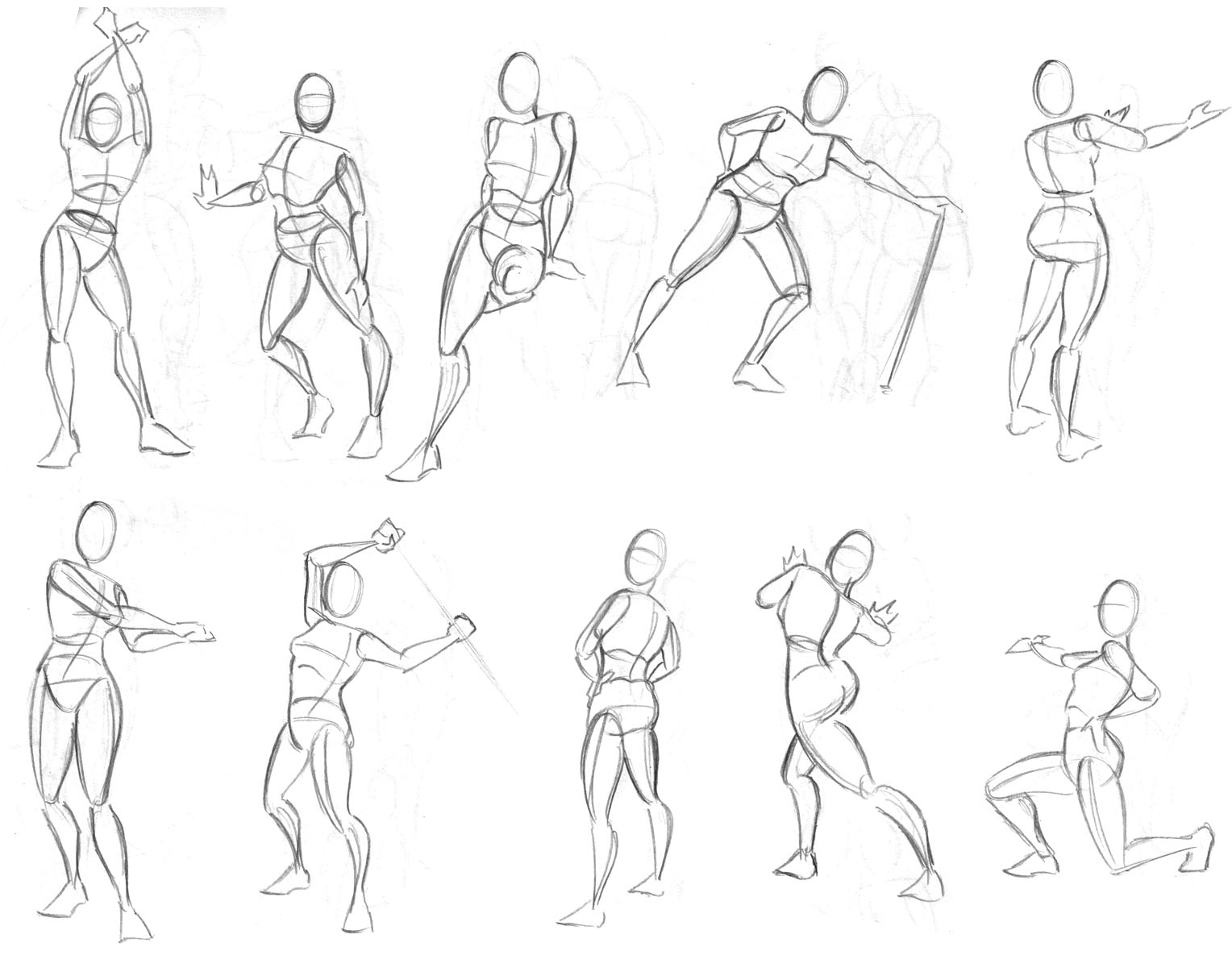
Photo Credit by: bing.com / figure drawing
[Perspective] Figure Drawing With Basic Shapes. : FrozenRehab
Photo Credit by: bing.com / aprender sullivan
Figure Drawing Basics
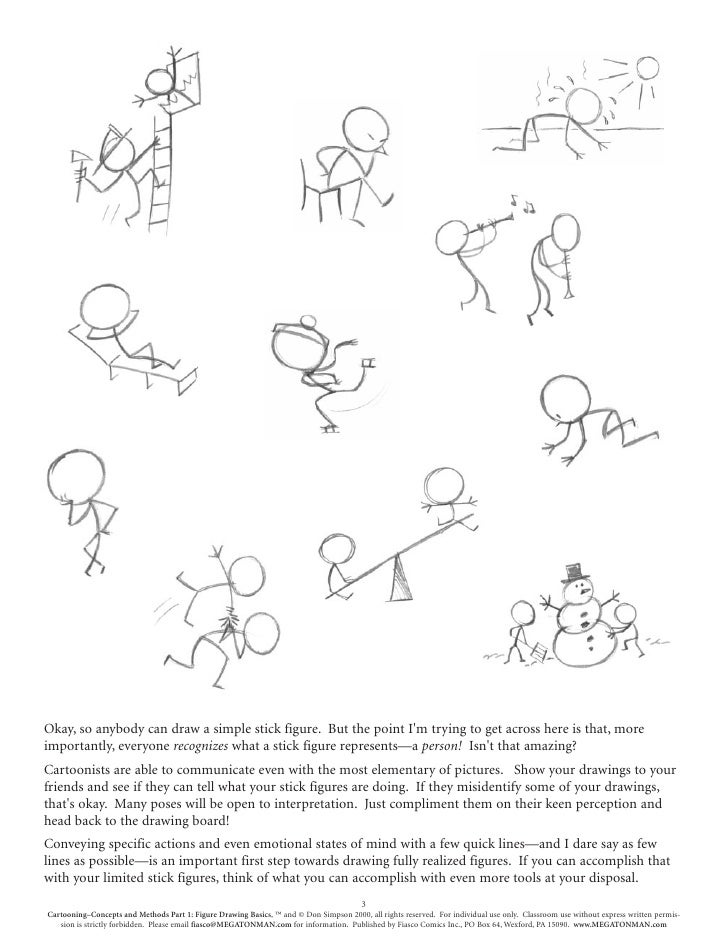
Photo Credit by: bing.com /
How To Draw A Human Body For Beginners / Drawing Different Body Types
Photo Credit by: bing.com / getdrawings sketching aktzeichnen
Tutorial: Basic Figure Drawing By *Rynnay | Sketching Studies

Photo Credit by: bing.com / deviantart humano cuerpo fc04