Las t cnicas de dibujo a l piz historia herramientas de trabajo y
Table of Contents
Table of Contents
If you are looking to add some depth and texture to your art, then stippling drawing is a must-try technique. It involves using small dots to create a drawing or shading, and the results can be breathtaking. Here’s a comprehensive guide on how to do stippling drawing in en_us language.
Common Struggles When Learning How to Do Stippling Drawing
When starting out with stippling, it can be challenging to get the dots right. It’s easy to make the dots too big or too small or to have uneven spacing. Another struggle is to create smooth gradations with just dots, which can take a lot of practice to perfect. Additionally, it can be time-consuming, as it requires a lot of patience and careful attention to detail.
How to Do Stippling Drawing
To start with stippling drawing, you need a fine-tipped pen or marker, along with paper or any surface to draw on. Begin by sketching the outline of your drawing in pencil. Then, using your pen or marker, create small dots in various densities to create a sense of depth and shading. Areas that require more shading should have more dots, while areas where you need less shading should have fewer dots. It’s essential to vary the size and spacing of dots to achieve the desired effect. To create seamless gradations, use dots of varying sizes, and gradually increase or decrease their density.
A helpful tip is to work in layers when stippling to ensure that you don’t overwork the paper or surface. Start with light layers and gradually build up the density. You can also use a blending tool like a tissue or soft-bristled brush to help soften the edges of the dots and create smooth transitions between tones.
Main Points Related to How to Do Stippling Drawing
Stippling drawing involves creating an image or shading by using small dots. It requires a fine-tipped pen or marker and lots of patience and attention to detail. To achieve smooth gradations, vary the size and spacing of the dots and build up layers gradually."
Personal Experience With Stippling Drawing
When I first learned how to do stippling drawing, I found it challenging to get the dots right. I often made the mistake of creating dots that were too big or too small, resulting in uneven shading. However, with time and practice, I learned to vary the size and spacing of the dots, and the results were incredible. I also discovered that working in layers helped me to achieve the desired effect without overworking the surface.
How to Do Stippling Drawing on Different Surfaces
Stippling drawing can be done on different surfaces, including paper, canvas, or even wood. When working on a textured surface like canvas, it’s essential to adjust the pressure of the pen or marker to create consistent dot sizes. On wood, you can use a wood-burning tool to create dots of varying sizes, which can give a unique texture to your drawing.
Tools Needed for Stippling Drawing
To start with stippling drawing, you need a fine-tipped pen or marker, paper or any surface to draw on, and a blending tool. Some artists also use a lightbox or tracing paper to transfer their sketches onto a final surface, which can save time and effort.
Common Techniques Used in Stippling Drawing
Other techniques used in stippling drawing include cross-hatching, where you create overlapping lines of dots to create a hatch-like pattern, and contour stippling, where you use dots to define the contours of an object or figure. These techniques can add more depth and texture to your drawings and make them stand out.
Conclusion of How to Do Stippling Drawing
Stippling drawing is a fascinating technique that can add depth and texture to your art. While it requires a lot of patience and attention to detail, the results can be breathtaking. With the tips and techniques discussed above, you can start your journey into the world of stippling drawing and create stunning artworks that are truly one of a kind.
Question and Answer
Q. Can you use different colors in stippling drawing?
A. Yes, you can use different colors to create a more vibrant and dynamic drawing. Experiment with different color combinations to see what works best.
Q. Can you use stippling drawing for portraits or landscapes?
A. Yes, stippling drawing can be used for a wide range of subjects, including portraits, landscapes, and still life drawings. It’s a versatile technique that can add depth and texture to any artwork.
Q. How long does it take to create a stippling drawing?
A. It depends on the complexity of the drawing and the density of the dots. Stippling drawings can take anywhere from a few hours to a few days to complete, depending on the size and level of detail.
Q. Can you combine stippling with other drawing techniques?
A. Yes, stippling can be combined with other drawing techniques like cross-hatching, blending, and contour drawing to create more unique and dynamic artworks.
Gallery
Stippling | Stippling Art, Drawings, Art Projects

Photo Credit by: bing.com / stippling
Pin By Rebecca Blatz On Possible Projects | Stippling Art, Pointalism

Photo Credit by: bing.com / stippling dotted puntillismo punteado artísticas afroamericano áfrica dibujar actividades pointillism
Stippling | Art Worksheets

Photo Credit by: bing.com / drawing stippling value projects drawings techniques worksheets uploaded user lessons exercises
Las Técnicas De Dibujo A Lápiz: Historia, Herramientas De Trabajo Y
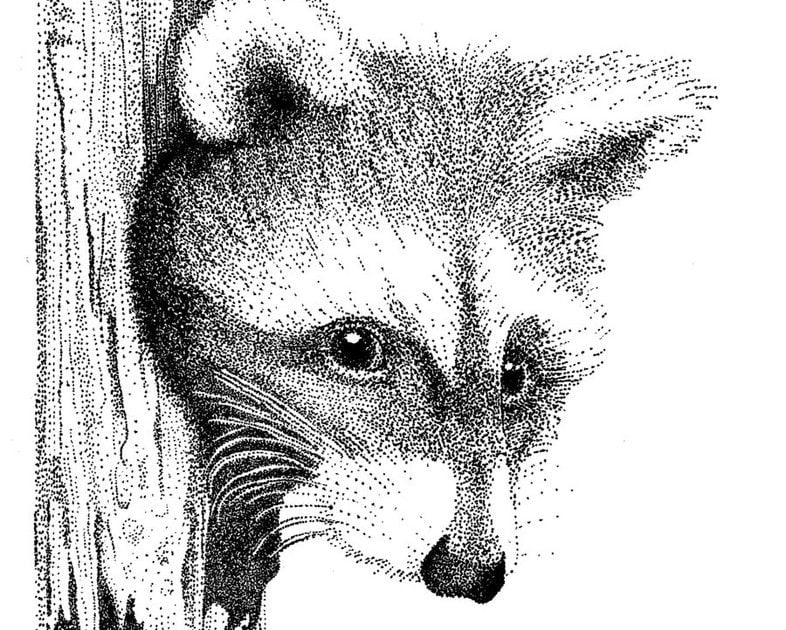
Photo Credit by: bing.com /
Pin On Stippling

Photo Credit by: bing.com / stippling pen technique ink beginners drawing huntsville workshop learning morning choose board doppleronline ca drawings