12 baggy jeans drawing
Table of Contents
Table of Contents
If you’re an artist, then you know how difficult it can be to draw clothes, especially baggy clothes. If you want to understand how to draw baggy clothes, then you’ve come to the right place. The following post will explain everything you need to know about drawing baggy clothes like a pro.
Pain Points of Drawing Baggy Clothes
It can be challenging to draw baggy clothes, as their looseness can create any number of folds and creases. Getting those creases right can be difficult, but if you don’t get them right, the clothes will not look realistic. Additionally, figuring out how to make those clothes look stylish and fashionable can be extra challenging.
How to Draw Baggy Clothes
To draw baggy clothes, you need to first understand their basic construction. Baggy clothes tend to be made from flexible materials, like cotton. The added flexibility of these materials is why they look so airy and voluminous.
When drawing, start with basic shapes and layer your detailing on top of them. Draw the creases and folds in the direction of the fabric, creating depth and texture. Utilize shadows and shading to help create dimension in the folds, which will result in more realistic-looking baggy clothes.
Summary of Main Points
In summary, drawing baggy clothes requires attention to detail and an understanding of fabric behavior. Start with basic shapes and add layers to create depth and texture. Use shadows and shading to add dimension and help with realism. Above all, practice your craft regularly, and you’ll increase your confidence and skill level over time.
How to Draw Baggy Shirts
Back in my design school days, I struggled with drawing baggy clothing. I was always fascinated by the folds and creases of baggy clothes, but I could never get them quite right. When faced with the challenge of drawing a baggy shirt, I started with a rough sketch and slowly built up the details.
One trick I learned is to draw the shirt on the body, so you can accurately capture the draping effect. This enables you to see how the folds and creases will look in the context of a real human figure. Also, remember that baggy clothes tend to be oversized with broader sleeves and longer lengths. You want to emphasize this with your drawing and capture the essence of the clothes in your artwork.
 By practicing the steps mentioned above, you’ll be able to create realistic and trendy baggy shirts with ease.
How to Draw Baggy Pants
When I was first learning how to draw baggy pants, I struggled to create a rough sketch that captured their baggy essence. But once I got the basic outline in place, the process became much easier.
For starters, pay attention to the direction of the fabric. The folds and creases should correspond to that direction. You can also use quick, gestural lines to show the looseness of the pants, which will immediately distinguish them from tighter clothing items. Finally, add shading and color to accentuate the folds and creases, and give the pants some depth and dimension.
 With these tips in mind, you’ll be on your way to creating stylish and realistic baggy pants in no time.
How to Draw Baggy Clothes for Kids
Sometimes, when drawing baggy clothes for kids, it can be beneficial to exaggerate their looseness, to emphasize those oversized elements. Children tend to favor comfy and trendy clothes, and baggy clothes fit these criteria to a tee. Artistic liberties can be taken when drawing baggy clothes for kids, but remember to add details like the right amount of creases and folds to make the clothes appear more realistic.
 Questions and Answers
Q: What are the best materials to use for drawing baggy clothes?
A: Cotton and other flexible materials tend to work the best for drawing baggy clothes, as these fabrics allow for more movement in the folds and creases.
Q: How can I make my baggy clothes look more stylish?
A: Adding details like pockets, decorative elements, and custom colors can go a long way in making baggy clothes look more stylish and trendy.
Q: Should I use pencil, pen, or digital tools to draw baggy clothes?
A: The tools you use to draw baggy clothes are a matter of personal preference. Some artists prefer to use pencils or pens to capture the hand-drawn feel, while others enjoy using digital tools to add color, shading, and other effects.
Q: Is it possible to draw realistic baggy clothes without prior experience?
A: Yes, it’s possible. To get started, you will need to practice basic drawing techniques and pay close attention to the direction of the fabric, the amount of creases, and the use of shading and shadows to add dimension. Over time, your skill level will increase, and you’ll be able to create more realistic and stylish baggy clothes.
Conclusion of How to Draw Baggy Clothes
If you’ve been struggling with drawing baggy clothes or want to improve your skills, then the tips outlined above should help. Remember to start with basic shapes and build up the details, adding shading and shadows to create dimension and depth. With practice, dedication, and a willingness to experiment, you’ll be able to create trendy and stylish baggy clothes in your artistic creations.
Gallery
みゆりMiyuli On #baggy #clothes #drawing #reference

Photo Credit by: bing.com /
12 Baggy Jeans Drawing | Drawing Reference, Jeans Drawing, Sketch Book

Photo Credit by: bing.com / baggy jeans drawing reference sketch
+drawing+shirt | How To Draw A Baggy Shirt With Ruffles And Puffy
Photo Credit by: bing.com / shirt drawing baggy draw sleeves puffy clothes shirts sketch manga ruffles anime reference female fashion girl sketches crop drawings step
14 Tips On How To Draw Folds In Clothes Like A Master - Jae Johns
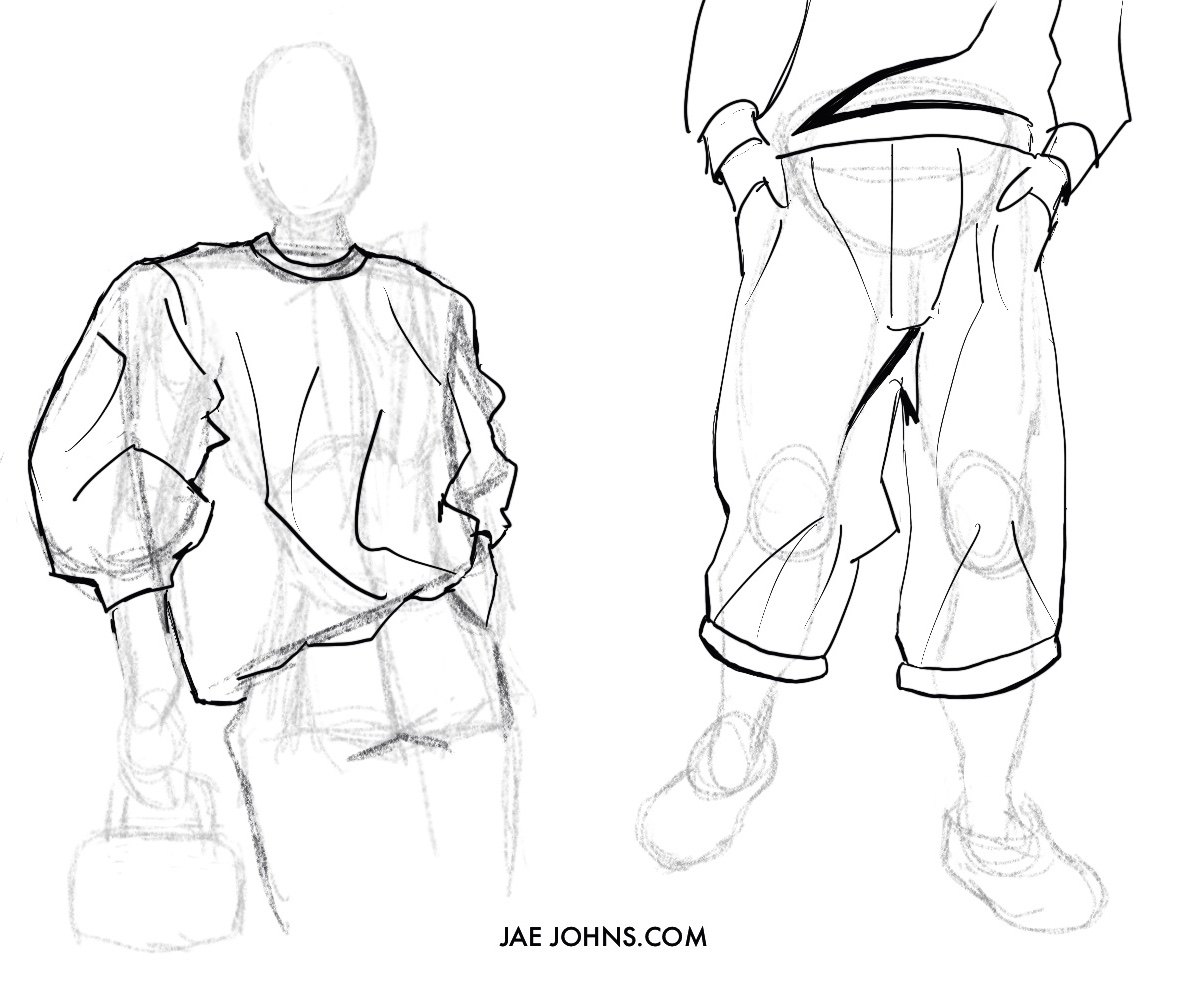
Photo Credit by: bing.com / baggy folds jaejohns
Baggy Pants Drawing At GetDrawings | Free Download
Photo Credit by: bing.com / baggy drawing pants jeans getdrawings