How to draw isometric cylinder at how to draw
Table of Contents
Table of Contents
Are you struggling with how to draw an isometric cylinder? Do you find yourself staring at the paper, unsure of where to start or feeling frustrated with the final outcome? Look no further - this post will provide you with the tips and tricks you need to confidently draw an isometric cylinder.
The process of drawing an isometric cylinder can be daunting, especially for beginners. Common struggles include achieving proper proportions, determining the appropriate angles, and understanding spatial relationships. However, with practice and patience, anyone can master the art of drawing an isometric cylinder.
To begin, start by drawing a horizontal line on your paper. This will serve as the base of your cylinder. Next, draw two vertical lines on either end of the horizontal line, extending upwards. Connect the tops of these lines with another horizontal line, creating a rectangle. Along each vertical line, draw two diagonal lines meeting at the top horizontal line. The points where these diagonal lines meet the horizontal line will mark the height of your cylinder. Connect the points with curved lines to form the top and bottom of the cylinder. Finally, add any necessary details, such as shadows or texture.
In summary, to draw an isometric cylinder, start with a horizontal line as the base, draw vertical lines on either end, connect them with a horizontal line, add diagonal lines, and connect them to form the top and bottom of the cylinder. Don’t forget to add details!
How to Draw Isometric Cylinder Like a Pro
When I first started drawing isometric cylinders, I struggled with achieving the appropriate angles and proportions. However, with consistent practice and following the steps outlined above, I was able to improve my skill and draw more confidently. Here are a few additional tips:
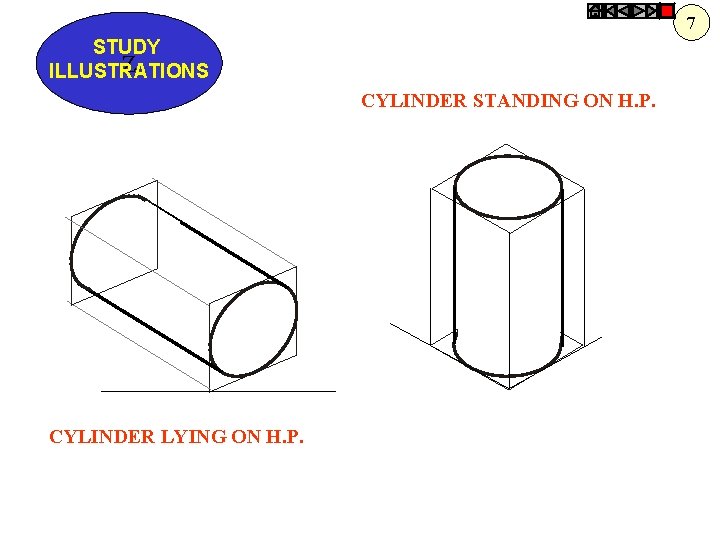
1. Use a ruler: A ruler can help you achieve straight lines and accurate angles.
2. Practice: Like anything, practice makes perfect. Don’t get discouraged if your first attempts don’t turn out the way you want them to. Keep trying and you will improve.
3. Break it down: The process of drawing an isometric cylinder can be overwhelming. Break it down into smaller, more manageable steps to make it easier to digest.
Tips for Creating Realistic Cylinder Drawings
In addition to the basics of drawing an isometric cylinder, here are a few tips for creating more realistic cylinder drawings:

1. Pay attention to shadows:
Shadows can add depth and dimension to your drawing. Consider the position of the light source and how it will impact the placement of shadows on your cylinder.
2. Add texture:
Adding texture can make your cylinder drawing look more realistic. Pay attention to the surface of the cylinder and consider adding details such as grooves or bumps to enhance its appearance.
Common Mistakes When Drawing Isometric Cylinders

When drawing isometric cylinders, there are a few common mistakes to avoid:
1. Inconsistent angles:
Pay attention to the angles of your lines to ensure they are consistent throughout the drawing. Inconsistencies can cause the drawing to look distorted or skewed.
2. Incorrect proportions:
Proportions are key in creating a realistic isometric cylinder. Make sure to pay attention to the height and width of the cylinder and ensure they are accurately represented.
Frequently Asked Questions About Drawing Isometric Cylinders
Here are a few frequently asked questions about drawing isometric cylinders:
1. Can you draw an isometric cylinder using any drawing tool?
Yes, you can use a variety of drawing tools to draw an isometric cylinder. Some popular options include pencils, pens, and digital drawing tools like tablets.
2. What are the best ways to practice drawing isometric cylinders?
Some effective ways to practice drawing isometric cylinders include using templates, tracing existing drawings to get a feel for the angles and proportions, and experimenting with different textures and shadows.
3. How long does it take to master the art of drawing isometric cylinders?
The time it takes to master the art of drawing isometric cylinders varies from person to person. With consistent practice and dedication, you can improve your skills over time.
4. Are isometric cylinders difficult to draw?
Isometric cylinders can be challenging to draw, especially for beginners. However, with practice and patience, anyone can improve their skills and create realistic isometric cylinder drawings.
Conclusion of How to Draw Isometric Cylinder
In conclusion, drawing an isometric cylinder can be a challenging task, but it is one that anyone can learn with practice and dedication. By following the steps outlined above and using the tips provided, you can improve your skills and create realistic, accurate isometric cylinder drawings. Remember to pay attention to proportions, angles, shadows, and texture to take your drawings to the next level.
Gallery
How To Draw Isometric Cylinder At How To Draw
Photo Credit by: bing.com /
ISOMETRIC DRAWING IT IS A TYPE OF PICTORIAL
Photo Credit by: bing.com / isometric lying pictorial
How To Draw An Isometric Cylinder - YouTube
Photo Credit by: bing.com / isometric cylinder draw
Isometric Of A Cylinder | ClipArt ETC

Photo Credit by: bing.com / isometric cylinder etc clipart usf edu tiff resolution
4.7a-Drawing Isometric View Of A Cylinder - YouTube
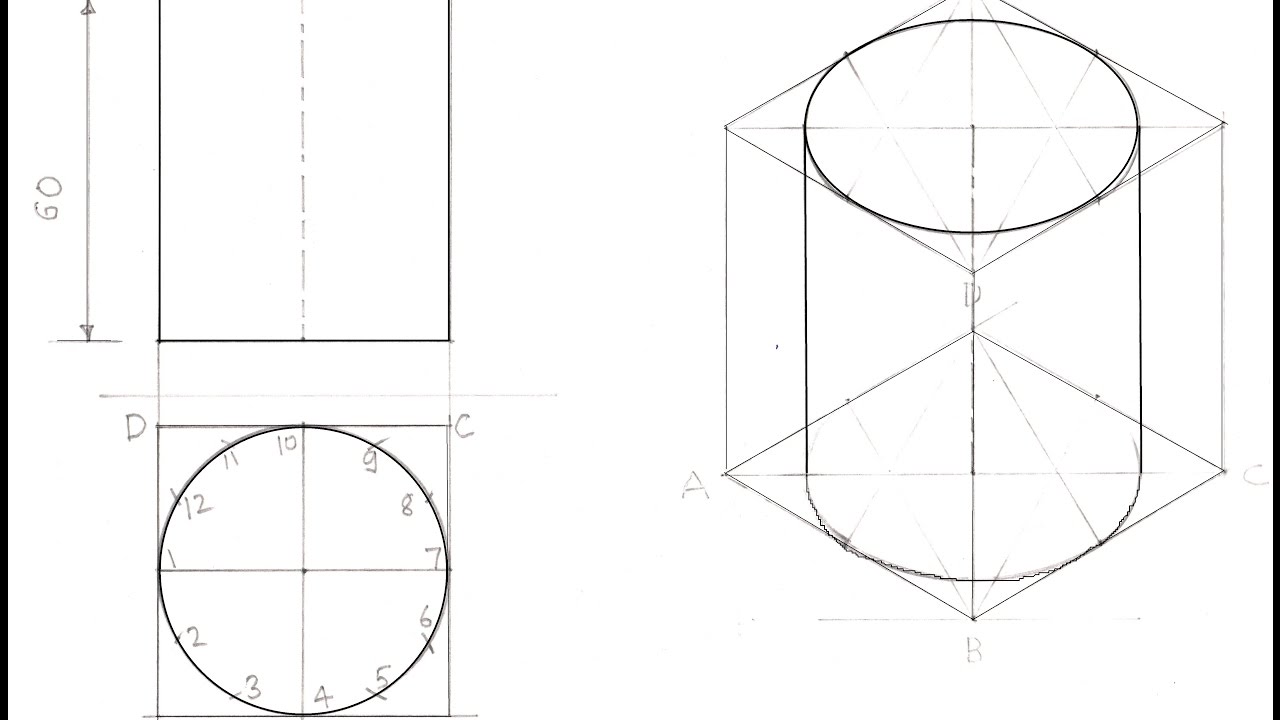
Photo Credit by: bing.com / drawing cylinder isometric drawings paintingvalley