How to draw wool texture with pencils for beginners
Table of Contents
Table of Contents
In the world of art, drawing material is a skill that every artist must learn. It is the foundation of creating realistic textures and adding depth to your art pieces. Being able to draw material not only enhances your skills but also gives your art a unique touch. In this article, we will take a look at how to draw material and related keywords, and how to improve your drawing abilities.
Pain Points Related to Drawing Material
Have you ever found yourself struggling to create a realistic texture of metal, wood, or fabric? You are not alone. Many artists and beginners face difficulties with drawing material. It can be a daunting task, especially if you have no idea where to start. In addition, it is challenging to find the right techniques to create natural-looking textures.
How to Draw Material
The first step to draw material is to understand the texture and properties of the material you want to draw. Research the object, the color, and the texture before starting. Study the light source and learn how it interacts with the material. This will help you create shadows and highlights, which add depth to your art piece.
Next, start with simple shapes and use basic drawing techniques such as line strokes, cross-hatching, or stippling to create the texture. Don’t be afraid to experiment with different techniques until you find the one that works best for the material you are drawing. Practice is key, and the more you practice, the better you will become.
Using proper tools such as pencils, charcoal, or brushes is vital to creating the right texture. Techniques such as smudging or blending can also be used to create a more natural look. Remember to take your time and be patient. Drawing material requires time and effort, but the results are worth it.
Summary of How to Draw Material
In summary, drawing material is a fundamental skill every artist needs to learn to enhance their artwork’s realism. Understand the texture of the material you want to draw, study the light source, and use basic techniques such as line strokes, cross-hatching, or stippling. Try different techniques and tools, and practice to improve your skills.
Creating Realistic Textures with Pencils
When drawing with pencils, you can create a range of textures by adjusting the pressure when drawing. For wood, start by drawing horizontal lines with varying pressure to create a wood grain effect. Add knots and cracks to give it character. For wool or fabric, use a circular motion to create the texture. Vary the pressure to create shadows and highlights to make it look more realistic. Don’t be afraid to experiment with different pencils and erasers for a better outcome.
Drawing with Charcoal
Charcoal is an excellent tool for drawing material as it allows you to create a range of tones and textures. For metal, start by creating a smooth base, then use a kneaded eraser to create highlights. Smudge the charcoal to create shadows and use an eraser stick to add details. For fabric, use a soft compressed charcoal stick to create the texture. Vary the pressure to create shadows and highlights. Finish it off by using a kneaded eraser to create a shine.
Adding Depth with Stippling
Stippling is a technique that involves creating dots or small marks to create texture and depth. It is perfect for creating the texture of rocks, skin, or fur. Start by using a fine tip pen or pencil to create dots in various sizes and densities. You can also mix different colors to define the texture. The more dots you add, the more natural the texture will look.
Drawing with Ink
Drawing with ink is another great way to create texture and depth. You can use a dip pen or a brush to create different marks and shapes. For wood, use a fine-tipped pen and draw vertical lines in varying thickness to create the wood grain. For metal, use a brush and draw straight lines to create a smooth surface, then use a dip pen to add details. For fabric, use a brush and draw small circles to create the texture, then use a pen to add details like folds and seams.
Question and Answer
Q1. What are the best tools to use for drawing material?
A1. The best tools to use for drawing material are pencils, charcoal, ink, and brushes. Use different tools to create different effects.
Q2. How do I create shadows and highlights in my drawings?
A2. To create shadows and highlights, study the light source and where the shadow falls. Use techniques like cross-hatching or stippling to create the illusion of depth.
Q3. How can I make my drawings look more realistic?
A3. To make your drawings look more realistic, use proper tools, practice different techniques, and pay attention to details like textures, shadows, and highlights.
Q4. How can I improve my drawing skills and create better textures?
A4. Practice is key to improving your drawing skills. Start with simple shapes and work your way up. Experiment with different techniques and tools, and don’t be afraid to make mistakes.
Conclusion of How to Draw Material
Drawing material is a vital skill that every artist must learn to create realistic textures and add depth to their artwork. Understand the texture of the material you want to draw, use proper tools and techniques, and practice to improve your skills. Remember, drawing material takes time and effort, but the results are worth it.
Gallery
Unreal Engine 4 Tutorial: Painting With Render Targets (2022)

Photo Credit by: bing.com /
Meramec Choice Art: Drawing Studio
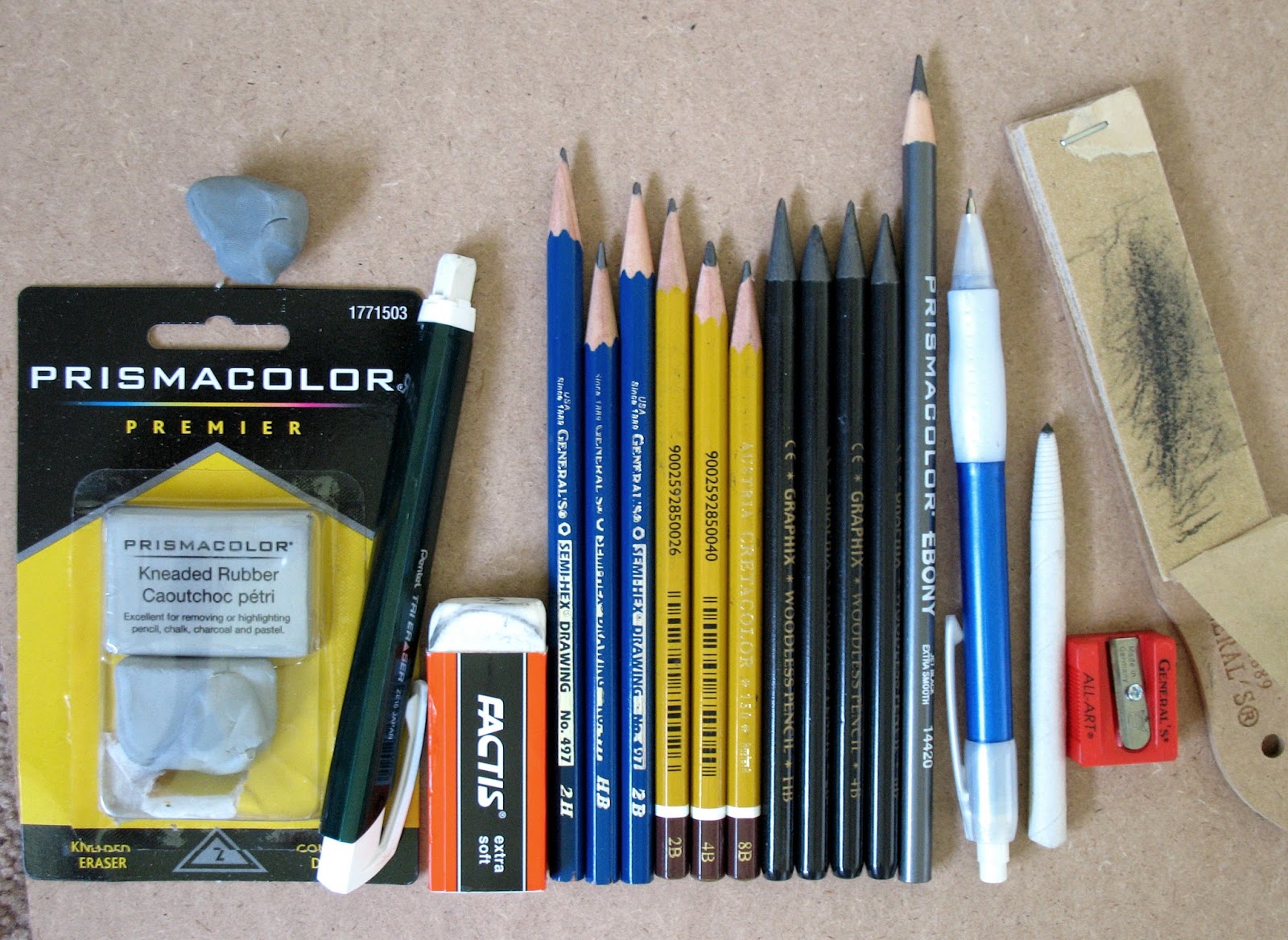
Photo Credit by: bing.com / drawing materials week draw meramec choice using
Kaleido Fashion: 10/16/12 Fabric Sample Sketches

Photo Credit by: bing.com /
How To Draw And Color Wood + Wood-based Material By PANDORA-9 On

Photo Credit by: bing.com / tutorials davidsequeira pandora drawing digitale textures diabolique tutoriais anleitungen schilderen digitaal refs anleitung zeichnen collect tut abdulhadi hotmart
How To Draw Wool Texture With Pencils For Beginners - YouTube

Photo Credit by: bing.com /