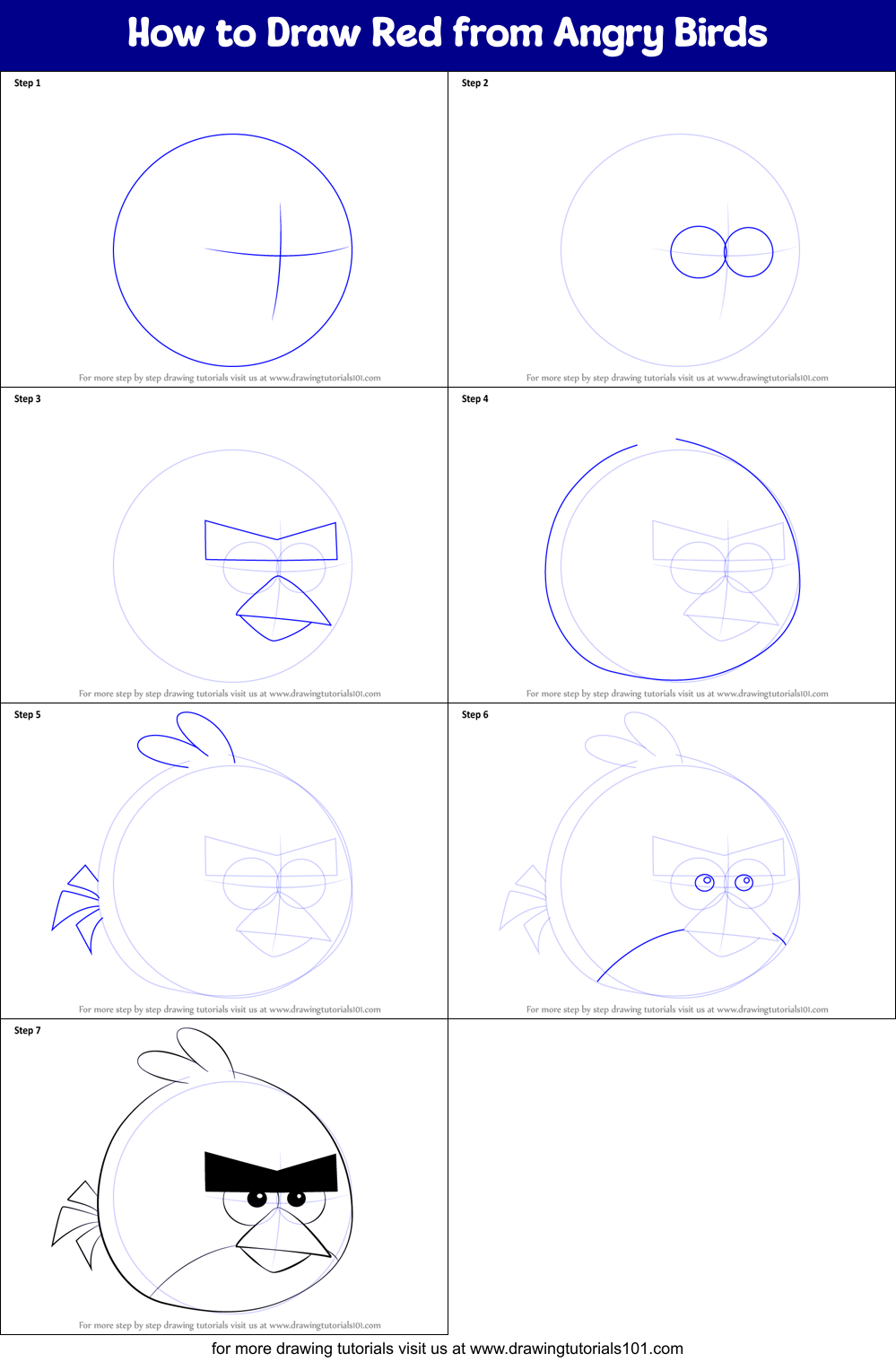
Xiaodi artstation effectively tekentips zerochan greatness combine artignition
Table of Contents
Table of Contents
Are you looking to take your drawing skills to the next level? Do you want to know how to practice drawing effectively? Then keep reading.
Pain Points of Drawing Practice
Drawing is a skill that demands practice and patience. Most aspiring artists struggle with figuring out what to draw or the right techniques to use. This can lead to frustration and lack of motivation. Other common pain points include not knowing how to set achievable goals or feeling overwhelmed by the amount of information available on the internet.
Answering the Target
The key to effective drawing practice is to create a consistent routine and set achievable goals. This involves breaking down the process into smaller tasks and avoiding distractions. It is also important to focus on the fundamentals such as line quality and shading. This might seem daunting, but with the right mindset and approach, anyone can master the art of drawing.
Summary of Key Points
In summary, effective drawing practice requires a consistent routine, achievable goals, and focusing on the fundamentals. By breaking down the process into smaller tasks, avoiding distractions, and maintaining a growth mindset, anyone can improve their drawing skills.
How to Set Achievable Goals
Setting goals is a powerful way to motivate yourself and stay on track. However, it’s important to set achievable goals that challenge you without overwhelming you. One approach is to use the SMART method, which stands for Specific, Measurable, Achievable, Relevant, and Time-based. This involves setting a clear objective, defining metrics to measure progress, and giving yourself a deadline to work towards.
For example, if you want to improve your perspective drawing skills, a SMART goal would be to “Spend 30 minutes every day for the next month practicing one-point perspective sketches.” This goal is specific, measurable, achievable, relevant, and time-based.
 The Power of Consistency
 The Power of Consistency
Consistency is the key to improving any skill, and drawing is no exception. As with any habit, it’s important to make drawing a part of your daily routine. This could mean setting aside a specific time each day to practice or setting a goal to complete a certain number of sketches each week.
Another way to stay consistent is to avoid distractions. This might mean turning off your phone or finding a quiet space to work in. By eliminating distractions, you can focus your full attention on your drawing and make the most of your practice time.
 ### The Importance of Fundamentals
While it’s important to have fun and experiment with different styles, focusing on the fundamentals is essential for improving your drawing skills. This includes things like line quality, shading, and proportion. By building a strong foundation, you’ll be able to tackle more complex subjects with ease.
One effective way to master the fundamentals is to start with simple exercises. For example, practice drawing straight lines, curves, and circles until you can do them confidently and consistently. From there, you can move on to more complex shapes and eventually more detailed drawings.
 #### The Benefits of a Growth Mindset
Last but not least, it’s important to cultivate a growth mindset when it comes to drawing practice. This means focusing on the process and being open to making mistakes. Rather than getting discouraged by failures, see them as opportunities to learn and improve.
Celebrate your successes, no matter how small, and use them as motivation to keep going. By staying positive and embracing the learning process, you’ll be able to achieve your drawing goals faster and with more joy.
Personal Experience with Drawing Practice
When I first started drawing, I found it difficult to stay motivated and improve. I felt overwhelmed by the amount of information available online and struggled to create a consistent practice routine. However, by focusing on the fundamentals and setting achievable goals, I was able to make progress over time. Today, I draw for fun and have even started selling my artwork online.
Question and Answer
Q: How often should I practice drawing?
A: It’s recommended to practice drawing for at least 30 minutes to an hour each day. However, the most important thing is consistency. Even a few minutes of practice each day can add up over time.
Q: How do I avoid getting discouraged by mistakes?
A: Remember that making mistakes is part of the learning process. Rather than getting discouraged, see mistakes as opportunities to learn and improve. Embrace the journey and celebrate your successes, no matter how small.
Q: How can I make sure I’m focusing on the fundamentals?
A: Start with simple exercises that build the foundation of good drawing, such as practicing straight lines, curves, and circles. From there, gradually build up to more complex shapes and subjects. Make sure to also take breaks and analyze your progress regularly.
Q: I’m overwhelmed by the amount of information available online. Where should I start?
A: It’s easy to get overwhelmed, but try to focus on one area at a time. Start with the fundamentals and gradually work your way up. Seek out reliable resources, such as online courses or books by experienced artists.
Conclusion of How to Practice Drawing Effectively
Effective drawing practice requires a consistent routine, achievable goals, and focusing on the fundamentals. By breaking down the process into smaller tasks, avoiding distractions, and maintaining a growth mindset, anyone can improve their drawing skills.
Gallery
How To Practice Drawing Effectively | Drawing Practice, Drawings, Brush

Photo Credit by: bing.com /
Drawing Practice: A Beginner’s Guide To Practice Drawing Effectively

Photo Credit by: bing.com / practice motricidad actividades espaciopsicofamiliar beginner
How To Practice Drawing Effectively Tips
Photo Credit by: bing.com / practice drawing effectively
How To Practice Drawing Effectively (+ Beginner Exercises!)

Photo Credit by: bing.com / xiaodi artstation effectively tekentips zerochan greatness combine artignition
How To Practice Drawing Effectively | 3+ Ways And Tips
Photo Credit by: bing.com / practice drawing effectively