Pen drawings ink artist kemp olivia landscapes landscape detailed scale creates drawing illustrator imaginary british illustrations hand illustration draws works
Table of Contents
Table of Contents
Are you looking for a unique and timeless way to express your creativity? Have you considered using pen and ink for your drawings? Not only does it offer a classic look, but it also provides various techniques and opportunities to play with textures and details. Here’s everything you need to know about using pen and ink for your drawings.
Pain Points
Using pen and ink for drawings can seem intimidating for beginners. The fear of making mistakes and the permanence of the medium can be overwhelming. Additionally, some artists struggle with creating shades and tones they desire with pen and ink. But worry not! With practice and some tips and tricks, you can master the art of pen and ink drawing.
How to Use Pen and Ink for Drawings?
First, you’ll need the right materials, including pens, inks, and papers. Experiment with different pen types, such as ballpoints, rollerballs, and technical pens. Choose from a range of inks, including waterproof and non-waterproof varieties, and find a paper that suits your style, such as smooth or textured paper.
Once you have your materials, start by sketching your drawing lightly in pencil, and then trace it over with ink. You can experiment with different techniques such as hatching, cross-hatching, stippling, and contour line drawing to create textures and shades. Don’t forget to practice creating various lines by adjusting pressure or angle to add depth and dimension to your drawing.
When you’re happy with your drawing, let the ink dry completely, and then erase any remaining pencil marks. You can also experiment with adding watercolor or other media to your ink drawing for a different effect.
Summary of How to Use Pen and Ink for Drawings
Using pen and ink for drawings is a unique and timeless way to express your creativity. By experimenting with different materials and techniques, you can create textures, shades and play with depth and dimensions. Follow these simple tips to get started:
- Choose the right materials, including pens, inks, and papers
- Sketch your drawing lightly in pencil and then trace it over with ink
- Experiment with hatching, cross-hatching, stippling, contour line drawing, and adjusting pressure and angle to add texture and depth
- Let the ink dry completely and then erase any remaining pencil marks
Experiment with Different Techniques
One of the best things about using pen and ink for drawings is that it allows us to experiment with a variety of techniques. Have you heard of pointillism? Try using small dots to create a stunning effect. Or have you heard of spatter technique? Try splattering ink onto your paper to create a unique texture. The possibilities are endless.
Play with Shading and Tones
Creating different shades and tones with pen and ink can be challenging for some artists. Try using cross-hatching, which involves drawing intersecting lines to create different tones. Or try stippling, which involves using small dots placed close together to create shades. With practice and experimenting with various techniques, you can master the art of creating shades and tones with pen and ink.
Experiment with Different Papers
Choosing the right type of paper can make a world of difference in your pen and ink drawings. For smooth and detailed drawings, try using smooth bristol paper. For rougher textures, try cold-pressed watercolor paper. You can even experiment with using toned paper, which can add a unique effect to your drawings.
Protect your Work
When it comes to using pen and ink for your drawings, it’s essential to protect your work from smudging and fading over time. Try using fixatives to preserve your drawings or using acid-free materials for longevity.
Question and Answer
Q: Can I mix pen and ink with other media?
A: Yes! You can experiment with adding watercolor or colored pencils to your ink drawing. Just make sure the ink is completely dry before adding any other media.
Q: Can I create shades and tones with only one pen?
A: Yes! Try using cross-hatching, stippling, or varying the pressure and angle to create different shades and tones with a single pen.
Q: Can I use pen and ink for portraits?
A: Absolutely. Pen and ink can create stunning and timeless portraits. Experiment with different techniques to create depth and texture.
Q: Can I add details to my ink drawing after it has dried?
A: Yes! You can always add details to your drawing after it has dried, as long as you’re using the same type of pen and ink that you used initially.
Conclusion of How to Use Pen and Ink for Drawings
Using pen and ink for drawings offers a classic and unique way to express your creativity. By experimenting with different materials and techniques, you can create a wide range of textures, shades, and depth. Don’t be afraid to play with different papers or mix media to create the perfect final product. With practice, you can master the art of using pen and ink for your drawings and create stunning, timeless pieces.
Gallery
10 Pen And Ink Drawing Techniques And Tips | Kwik Computing LTD
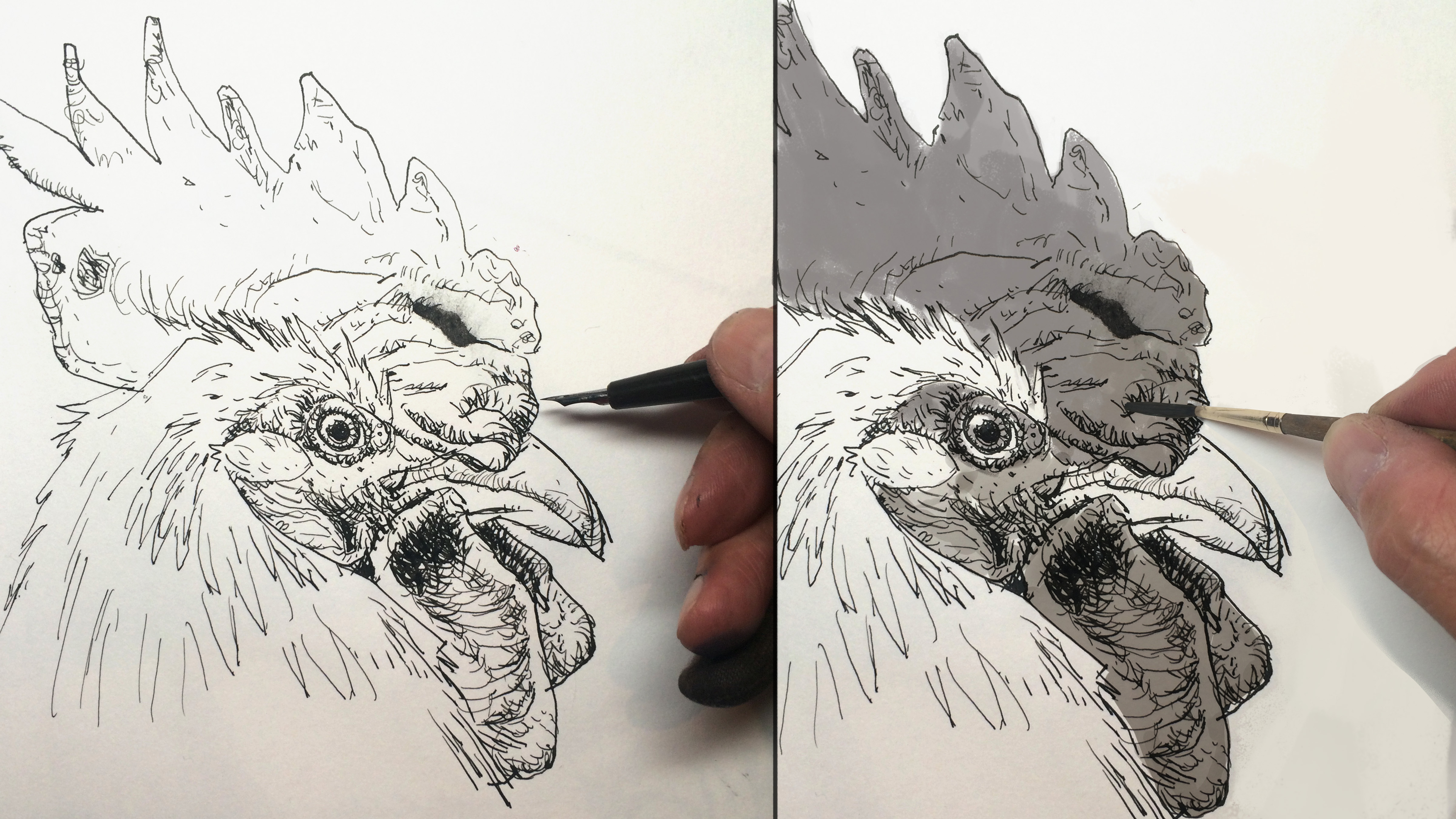
Photo Credit by: bing.com / pen ink drawing techniques quill crow tips flies
Artist Creates Detailed Pen And Ink Drawings Of Imaginary Landscapes
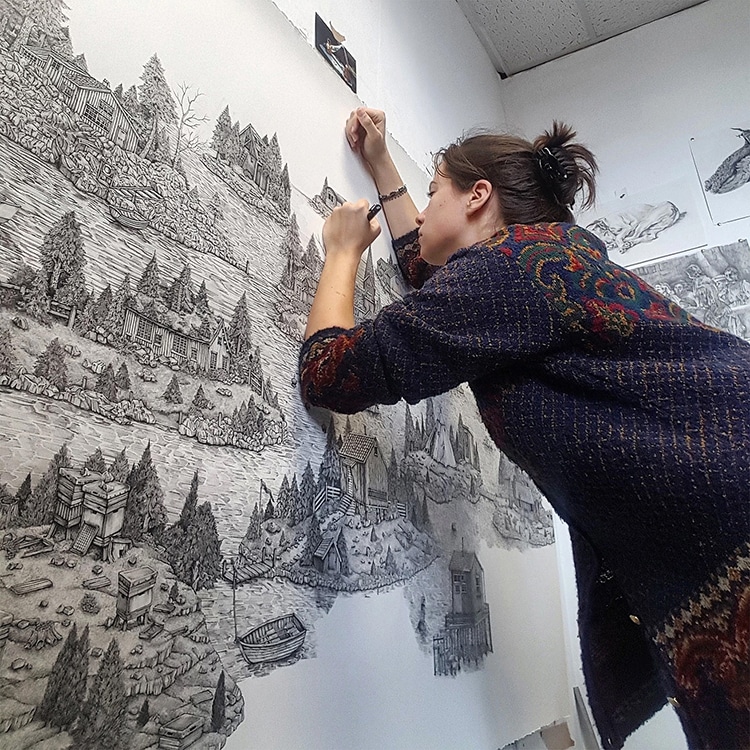
Photo Credit by: bing.com / pen drawings ink artist kemp olivia landscapes landscape detailed scale creates drawing illustrator imaginary british illustrations hand illustration draws works
Pin On Art

Photo Credit by: bing.com / pen thevirtualinstructor
Pen & Ink Drawing Tips — Alan Li
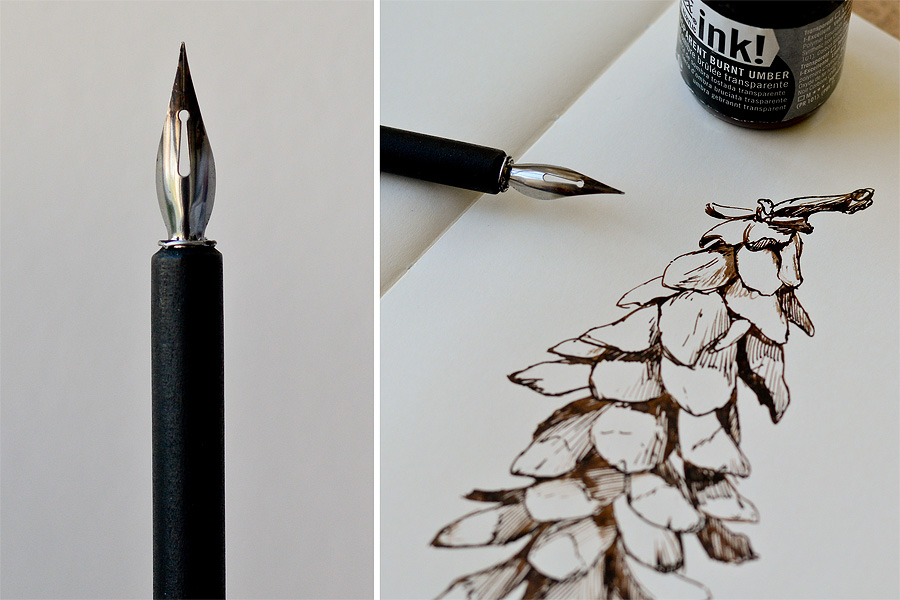
Photo Credit by: bing.com / nib
DEFINING GREY: Old Pen And Ink Drawings

Photo Credit by: bing.com / defining